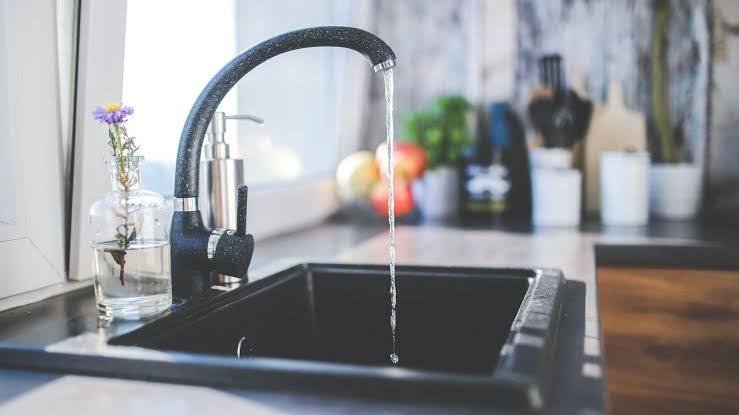
Low water pressure is a widespread frustration in Indian households, turning a refreshing shower into a disappointing trickle and making daily chores like filling buckets or running washing machines inefficient. From bustling metropolitan apartments in Mumbai and Delhi to homes in smaller towns, inconsistent water flow affects millions. While municipal supply variations play a role, many causes are internal and fixable. Understanding these common reasons helps homeowners diagnose issues early, save water, reduce electricity bills from overworked pumps, and avoid costly emergencies.
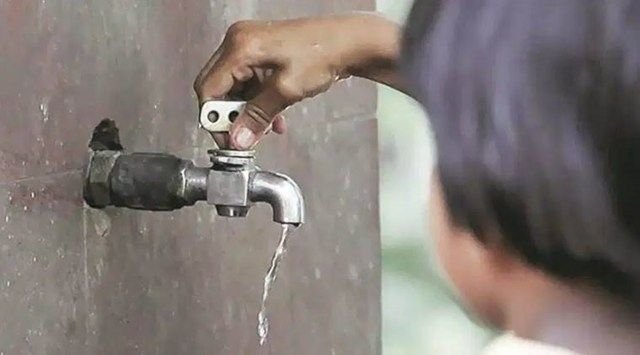
This article explores the primary causes of low water pressure in Indian homes, their underlying reasons, and practical solutions tailored to local conditions such as hard water, aging infrastructure, and seasonal challenges.
1. Hard Water Mineral Buildup and Clogged Pipes
India has some of the hardest water in many regions, particularly in Rajasthan, Gujarat, Haryana, Karnataka, and parts of Tamil Nadu. Over time, calcium, magnesium, and other minerals accumulate inside pipes, narrowing the diameter and restricting flow.
Why it’s common: Hot water lines and geysers are especially prone to scaling. In older homes with GI pipes, internal rust combines with minerals to create stubborn blockages.
Signs: Gradual decrease in pressure over months, especially noticeable in showers and kitchen taps.
Solutions:
- Install a whole-house water softener or magnetic scale preventer.
- Flush pipes periodically with vinegar or commercial descalers.
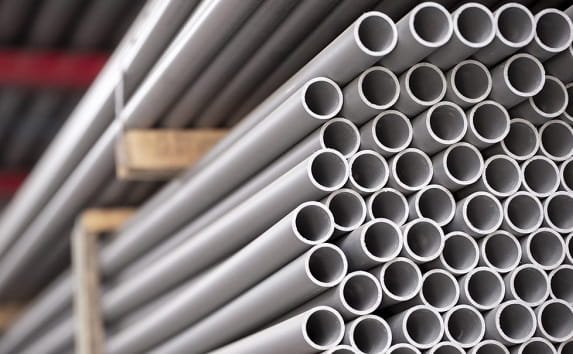
- Replace heavily scaled sections with CPVC pipes, which resist scaling better.
- Regular professional descaling of geysers and pipelines is recommended every 6–12 months.
2. Leaks in the Plumbing System
Even small, hidden leaks can significantly reduce pressure by diverting water before it reaches your taps.
Common locations: Underground lines, concealed plumbing in walls, roof tanks, and joint connections. Monsoons often worsen leaks due to soil movement and corrosion.
Signs: Unexplained increase in water bills, damp patches on walls/ceilings, or constant running of the pump.
Solutions:
- Conduct a thorough leak audit by turning off all taps and monitoring the water meter.
- Use pipe repair tape or epoxy for minor issues, but replace damaged pipes professionally.
- Upgrade to modern CPVC or PEX pipes during renovations for better leak resistance.
3. Municipal Supply and External Factors
Many Indian cities face intermittent municipal water supply, especially in summer when demand peaks or during maintenance work.
Causes: Low pressure from the main supply line, water rationing, or issues in the society’s common pipeline.
Solutions:
- Install a pressurized overhead tank or sump pump system.
- Coordinate with housing society management or municipal authorities.
- Use a pressure booster pump (single-phase or multi-stage) suited for Indian voltage fluctuations.
4. Problems with Overhead Tanks and Pumps
Overhead tanks are standard in most Indian homes, but sediment buildup, improper float valves, or faulty pumps frequently cause pressure drops.
Issues: Blocked inlet/outlet pipes, algae or debris in tanks, air locks in the system, or worn-out pump impellers.
Solutions:
- Clean overhead tanks at least twice a year.
- Check and replace faulty ballcocks or float valves.
- Service or replace submersible/sump pumps regularly.
- Ensure proper tank elevation for gravity-based pressure.
5. Clogged Aerators, Showerheads, and Fixtures
This is one of the easiest-to-fix causes but often overlooked.
Why it happens: Mineral deposits, sand particles from municipal supply, or debris clog small openings in taps and showers.
Solutions:
- Soak aerators and showerheads in white vinegar for 30–60 minutes and scrub gently.
- Install inline filters or strainers at key points.
- Replace old fixtures with modern, self-cleaning designs from brands like Jaquar or Grohe.
6. Air Locks and Venting Issues
Air trapped in pipes disrupts water flow, causing sputtering and low pressure.
Common in: New installations, after maintenance, or in multi-storey buildings.
Solutions:
- Bleed air by opening taps from the highest floor downwards.
- Ensure proper venting in the plumbing design.
- Professional plumbers can install automatic air release valves.
7. Old or Narrow Pipes and Poor Design
Homes built decades ago often have undersized or corroded pipes that cannot handle modern usage (multiple bathrooms, RO systems, geysers).
Solutions:
- Plan complete plumbing replacement during major renovations.
- Follow proper pipe sizing standards (e.g., ½ inch to 1 inch diameters based on usage).
- Design layouts with minimal bends and adequate slope.
Preventive Measures for Sustained Good Pressure
- Schedule annual plumbing inspections before and after monsoon.
- Use ISI-marked pipes and fittings.
- Install pressure-reducing valves where municipal pressure is high.
- Teach family members water conservation habits to reduce system stress.
- Consider smart water management systems with pressure sensors in new constructions.
Impact on Daily Life and Costs
Chronic low pressure leads to longer wait times, higher electricity consumption from pumps, and premature wear on appliances. In joint families, it causes inconvenience during peak hours. Addressing root causes early prevents escalation into major repairs that can cost ₹10,000 to ₹50,000 or more.
Conclusion
Low water pressure in Indian houses usually stems from a combination of hard water issues, leaks, supply inconsistencies, and maintenance neglect. By identifying the specific cause in your home — whether through simple DIY checks or professional diagnosis — you can implement targeted solutions and enjoy consistent water flow. Investing in quality materials like CPVC pipes, regular cleaning, and modern boosters pays off through reduced bills and hassle-free living.
For new constructions or major renovations, consult experienced plumbers and architects familiar with local water conditions. A well-designed plumbing system is the foundation of a comfortable Indian home. Take action today — check your aerators, inspect for leaks, and clean your tanks — to restore strong water pressure and improve daily comfort for your family.
FAQ
Q1: What is the most common cause of low water pressure in Indian homes?
A. Hard water mineral buildup in pipes is one of the top causes, especially in areas with high TDS levels.
Q2: Can I fix low water pressure myself?
A. Yes, for minor issues like clogged aerators or air locks. Major problems like leaks or pump failures require professional help.
Q3: How effective are pressure booster pumps?
A. Very effective in apartments and houses with poor municipal supply. Choose models with dry-run protection suitable for Indian conditions.
Q4: How often should I clean my overhead tank?
A. At least twice a year to prevent sediment buildup that reduces pressure.
Q5: Does replacing pipes solve low pressure permanently?
A. Often yes, especially when switching from old GI to CPVC pipes, which resist scaling and corrosion better.
Q6: Why does water pressure drop during summer?
A. Increased demand, higher evaporation in tanks, and accelerated scaling due to heat are the main reasons.
Q7: Should I install a water softener for low pressure?
A. Yes, if hard water is the primary issue. It prevents future buildup and improves overall plumbing health.