Painting your house is one of the most rewarding and cost-effective ways to refresh your living space. A fresh coat of paint can instantly uplift the mood, increase property value, and protect walls from India’s challenging climate. However, many homeowners end up disappointed with peeling paint, uneven finishes, color mismatches, or short-lived results. These issues often stem from common painting mistakes that can be easily avoided with proper planning and execution.
In India, where high humidity, heavy monsoons, intense sunlight, and dust play a major role, avoiding these pitfalls becomes even more critical. This article highlights the most frequent house painting mistakes Indian homeowners make and provides practical solutions to achieve professional-looking, long-lasting results.
1. Inadequate Surface Preparation
This is by far the biggest mistake. Painting over dirty, cracked, or damp walls leads to poor adhesion and early failure.
Why it happens: Homeowners often rush to apply paint without cleaning dust, removing old loose paint, or repairing cracks.
Solution: Thoroughly clean walls with water and mild detergent. Repair cracks with filler, sand smooth, and ensure the surface is completely dry. Apply a good quality primer suited to the surface (new vs old walls).
2. Skipping the Primer
Many people think primer is an unnecessary expense, but it plays a vital role in sealing the surface and improving paint coverage.
Consequences: Uneven color, poor durability, and higher paint consumption.
Solution: Always use a suitable primer — zinc-based for metal, acrylic for walls, or wood primer for doors and windows. This step is especially important for new walls that are highly porous.
3. Choosing the Wrong Type or Quality of Paint
Using interior paint for exteriors, regular paint in bathrooms, or cheap quality paint are frequent errors.
Why it matters in India: Regular paints fail quickly in humid conditions, while exterior paints may not offer the desired indoor finish.
Solution: Use waterproof/anti-fungal paints for bathrooms and kitchens, weatherproof exterior paints for outer walls, and premium washable emulsions for living areas. Invest in reputed brands like Asian Paints, Dulux, or Berger.
4. Incorrect Color Selection and Testing
Choosing colors based only on shade cards under store lighting often leads to regret once applied.
Common issue: Colors appear different under natural light, and dark shades can make small Indian apartments feel cramped.
Solution: Always test small patches on walls and observe them at different times of the day. Consider Vastu preferences and lighting conditions. Light neutrals work well for small spaces.
5. Painting During Monsoon or High Humidity
Painting in humid or rainy weather is a recipe for disaster as paint fails to dry properly, leading to bubbling and peeling.
Solution: Schedule painting work during dry months (October to March). Ensure walls are completely dry before starting.
6. Applying Incorrect Number of Coats or Wrong Technique
One coat is never enough, and applying overly thick coats causes running and wrinkling.
Solution: Apply two to three thin, even coats. Use quality rollers and brushes. Cut in edges carefully with a brush before rolling.
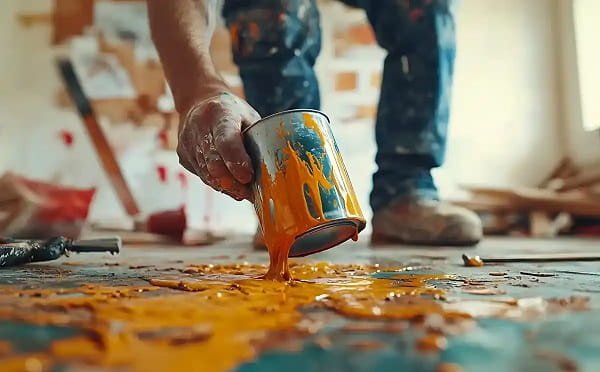
7. Not Protecting Furniture, Floors, and Fixtures
Splashing paint on floors, furniture, or electrical fittings creates unnecessary cleaning work and permanent damage.
Solution: Use drop cloths, plastic sheets, and painter’s tape generously. Remove or cover furniture and switch boards.
8. Using Low-Quality Tools and Brushes
Cheap brushes leave bristle marks, while poor rollers cause uneven texture.
Solution: Invest in good quality synthetic brushes and microfiber rollers. Clean tools immediately after use.
9. Ignoring Climate-Specific Requirements
Using the same paint across India without considering local weather often leads to early failure.
Solution: Choose UV-resistant paints for sunny regions and anti-fungal formulas for humid coastal areas.
10. DIY Without Proper Knowledge or Hiring Unskilled Labor
While DIY saves money, lack of experience often results in substandard work. Similarly, hiring cheap, unskilled painters leads to poor finishes.
Solution: For large or complex jobs, hire professional painters. If doing it yourself, watch tutorials and start with smaller areas.
Additional Tips for Successful House Painting
- Calculate paint quantity accurately to avoid wastage or shortage.
- Maintain proper ventilation during and after painting.
- Follow manufacturer instructions for drying time between coats.
- Consider texture or patterned finishes for hiding wall imperfections.
- Budget for primer, paint, labour, and preparation work.
Conclusion
Avoiding these common house painting mistakes can save you time, money, and frustration while delivering beautiful, long-lasting results. In the Indian context, where climate plays a major role, investing time in proper planning, quality materials, and skilled execution makes all the difference. Whether you are refreshing a small apartment or painting an independent house, careful attention to detail will ensure your walls look fresh and protected for years.
The next time you plan a painting project, remember that great results come from preparation and the right choices — not just the final coat of paint. Consult professionals when needed and prioritize quality over short-term savings. A well-painted home not only looks beautiful but also reflects pride and care for your living space.
FAQ’s
Q1: How long should I wait before painting after monsoon?
Wait until walls are completely dry, usually 2–4 weeks after heavy rains, depending on humidity levels.
Q2: Is it necessary to use primer before painting?
Yes. Primer improves paint adhesion, coverage, and durability, especially on new walls or repaired surfaces.
Q3: What is the biggest mistake people make while painting?
Inadequate surface preparation and skipping primer are the most common and costly mistakes.
Q4: Can I paint my house myself to save money?
Small areas or touch-ups can be done DIY, but large jobs are better handled by professionals for even finish and time efficiency.
Q5: How do I choose the right paint for Indian weather?
Select anti-fungal and washable paints for interiors and weatherproof exterior paints. Consider local climate conditions.
Q6: How many coats of paint are sufficient?
Two to three coats over a primer usually provide good coverage and durability.
Q7: What should I do if paint starts peeling after some time?
This usually indicates poor preparation or moisture issues. Remove loose paint, fix the source of dampness, and repaint properly.