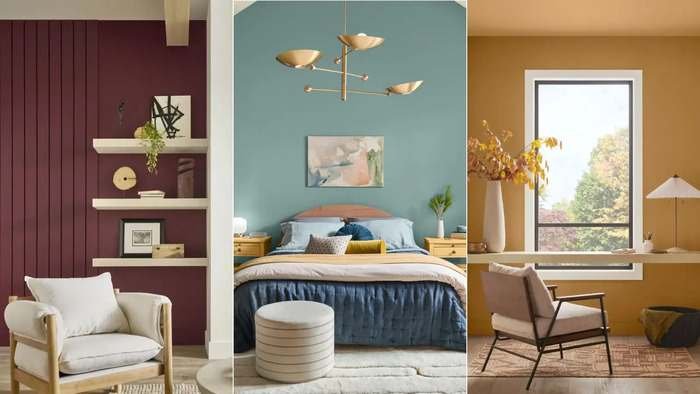
The living room is the heart of an Indian home — a space for family gatherings, festivals, entertaining guests, and daily relaxation. Choosing the right wall paint colours can dramatically transform its mood, perceived size, and overall ambiance. In India, where living rooms often accommodate multi-generational families and host everything from Diwali celebrations to casual chai sessions, paint selection must balance aesthetics, practicality, light conditions, and cultural preferences.
With India’s diverse climates — bright sunlight in the north, humidity in coastal areas, and warm tones in the south — the best colours are those that reflect light well, resist fading, and complement traditional as well as modern Indian interiors. This guide explores the most suitable wall paint colours for Indian living rooms, helping you make an informed choice.
Factors to Consider Before Choosing Colours
Room Size and Natural Light:
Smaller urban apartments benefit from light, reflective shades that make the space feel larger. Larger independent homes can experiment with deeper, richer tones.
Furniture and Decor:
Indian living rooms often feature wooden furniture, vibrant cushions, brass idols, and colourful rugs. Wall colours should complement rather than compete with these elements.
Climate and Region:
In hot regions, cool tones (blues, greens) create a calming effect. In cooler northern areas, warmer neutrals and earth tones add coziness. Coastal homes need light colours that hide humidity-related marks.
Vastu Shastra:
Many Indian families follow Vastu principles. Light green, cream, or pastel yellow are considered auspicious for living rooms as they promote harmony and positive energy.
Maintenance:
Choose washable, stain-resistant premium emulsions that handle dust, spills from snacks, and frequent cleaning.
1. Soft Beige and Cream (Timeless Classic)
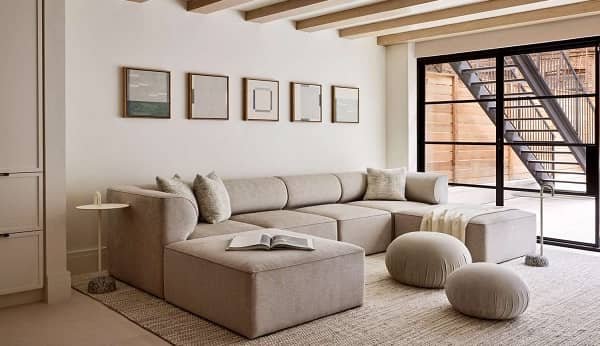
These neutral shades are perennial favourites in Indian homes. They create a warm, welcoming backdrop that enhances natural light and pairs beautifully with wooden furniture, ethnic artifacts, and colourful textiles. Cream reflects light effectively, making rooms appear spacious — ideal for compact flats.
Best for: Most Indian living rooms, especially those with traditional or fusion decor.
2. Light Grey with Subtle Undertones
A sophisticated modern choice gaining popularity in urban India. Warm greys (with beige undertones) prevent the room from feeling cold while offering a contemporary canvas for bold accent walls or colourful artwork.
Best for: Modern apartments in metros like Mumbai, Bangalore, and Delhi.
3. Pastel Green and Sage
Inspired by nature, soft greens bring freshness and calmness. According to Vastu, green promotes growth and harmony. They work wonderfully with plants, wooden elements, and Indian brass decor.
Best for: Families seeking a serene, balanced atmosphere.
4. Warm White and Off-White
Pure white can feel stark, but warm off-whites with slight yellow or beige undertones add softness. These shades make small living rooms feel bright and airy while highlighting furniture and lighting fixtures.
Best for: Small to medium rooms with limited natural light.
5. Muted Terracotta or Earthy Beige
These warm, grounding tones reflect Indian cultural roots and pair excellently with traditional furniture and festive decor. They create a cozy, inviting feel during winter evenings.
Best for: Independent houses and homes in drier regions.
6. Soft Blue and Aqua
Cool blues evoke calmness and work well in hot climates. Pair with white ceilings and natural wood for a refreshing coastal or contemporary Indian look.
Best for: South Indian or coastal homes.
7. Accent Walls with Bold Colours
While keeping most walls neutral, one feature wall in deep teal, mustard yellow, or burgundy can add character. This trend is popular in modern Indian interiors.
Current Trends in Indian Living Rooms (2025-2026)
- Earthy Neutrals with metallic accents (gold, copper).
- Biophilic Colours — soft greens and blues inspired by nature.
- Two-Tone Walls — combining neutrals with subtle textures.
- Sustainable Low-VOC Paints in calming palettes.
Practical Tips for Choosing and Applying Paint
- Test Samples: Always apply paint samples on walls and observe them at different times of the day under natural and artificial light.
- Lighting Matters: Rooms with warm LED lights pair well with beige and cream tones, while cooler lighting complements greys and blues.
- Ceiling Colour: Keep ceilings white or very light to enhance height and brightness.
- Primer Quality: Use a good primer, especially on new walls, for better colour payoff and longevity.
- Finish Selection: Matte or silk finishes hide imperfections better in Indian living rooms and are easier to maintain.
- Brand Recommendations: Asian Paints Royale, Dulux Velvet Touch, Berger Luxol, and Nippon Paint offer excellent ranges suitable for Indian conditions.
Budget and Maintenance Advice
Premium paints may cost more initially but offer better coverage, durability, and washability — crucial for Indian households with frequent use. Plan for repainting every 5–7 years. Regular dusting and spot cleaning extend the life of your paint job.
Conclusion
The best wall paint colours for Indian living rooms blend practicality with beauty, creating spaces that feel warm, welcoming, and culturally resonant. Neutrals like beige, cream, and soft grey provide timeless versatility, while gentle greens and blues add freshness suited to our climate. By considering room size, light, Vastu, and lifestyle, you can select colours that enhance your home’s charm for years.
A well-chosen paint palette transforms your living room into a true reflection of your family’s personality and values. Take time to explore shade cards, consult interior designers if needed, and test samples thoroughly. The right colour not only beautifies your space but also creates a positive, harmonious environment for daily life and celebrations.
FAQ
Q1: What is the best paint colour for a small Indian living room?
A: Light beige, cream, or soft grey shades are ideal as they reflect light and make the room appear larger and brighter.
Q2: Which colours are considered auspicious as per Vastu for living rooms?
A: Light green, cream, white, and pastel yellow are highly recommended for promoting positivity and harmony.
Q3: Should I choose matte or glossy finish for living room walls?
A: Matte or silk finishes are preferred as they hide wall imperfections and create an elegant, sophisticated look suitable for Indian homes.
Q4: How do I choose paint colours that match wooden furniture?
A: Warm neutrals (beige, cream) and soft earth tones pair beautifully with traditional wooden furniture common in Indian homes.
Q5: Are dark colours suitable for Indian living rooms?
A: Dark shades can be used on accent walls but are better avoided on all four walls in smaller rooms as they can make spaces feel smaller and hotter.
Q6: What type of paint is best for Indian living rooms?
A: Premium washable plastic emulsions with anti-fungal properties from brands like Asian Paints or Dulux perform best in Indian conditions.
Q7: How can I create a modern look in a traditional Indian living room?
A: Use a neutral base colour on walls and add one bold accent wall in teal, mustard, or deep maroon for a contemporary fusion style.