Water is a precious and increasingly scarce resource in India. With growing population, erratic monsoons, over-extraction of groundwater, and rising urban demand, many cities face acute water shortages, especially during summer. According to various reports, an average Indian household wastes significant amounts of water daily through leaks, inefficient habits, and outdated fixtures. Reducing water wastage at home is not only an environmental responsibility but also a smart way to lower water bills, reduce electricity consumption from pumps and geysers, and contribute to sustainable living.
Fortunately, simple changes in daily routines, fixture upgrades, and mindful practices can cut household water consumption by 30–50%. This comprehensive guide offers practical, actionable tips tailored for Indian homes — from compact apartments to independent houses in metros and smaller towns.
1. Fix Leaks Immediately
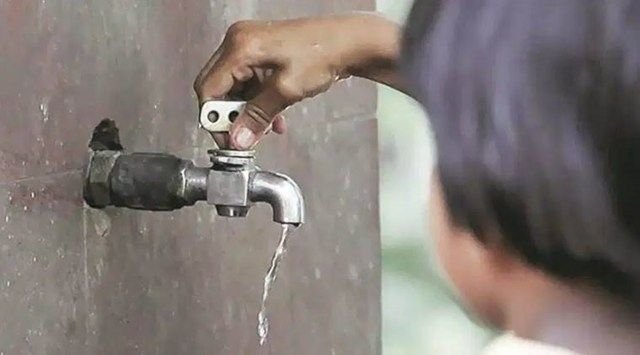
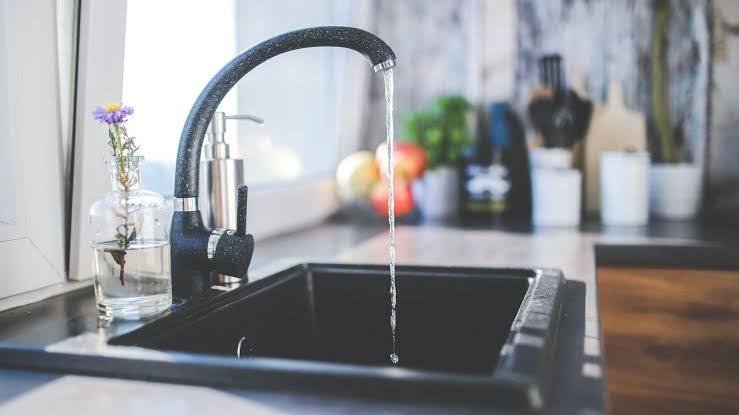
A single dripping tap can waste up to 15–20 litres of water per day. Hidden leaks in pipes, overhead tanks, or toilets multiply this loss significantly.
Action Steps:
- Inspect all taps, showerheads, toilet flush tanks, and pipe joints regularly.
- Replace worn-out washers, cartridges, and O-rings promptly.
- Install leak detection sensors or smart water meters for early alerts.
- Before and after monsoons, get a professional plumbing audit.
2. Upgrade to Water-Efficient Fixtures
Old fixtures are major culprits in water wastage.
- Taps and Aerators: Install aerators that mix air with water, reducing flow without compromising pressure. Look for ISI-marked models that save 30–50% water.
- Showers: Switch to low-flow showerheads (5–7 litres per minute). Avoid long showers — aim for under 5–7 minutes.
- Toilets: Replace single-flush systems with dual-flush or 4–6 litre flush tanks. A simple brick or water bottle in the cistern can also reduce flush volume.
- Washing Machines: Choose 5-star rated models with load sensors and use them only with full loads.
3. Smart Habits in the Kitchen
The kitchen accounts for a large portion of household water use.
- Use a bowl or plugged sink for washing vegetables and utensils instead of running taps continuously.
- Scrape plates before washing and use minimal water for rinsing.
- Install a water-efficient dishwasher if budget allows, or collect vegetable wash water for plants.
- Thaw frozen food in the refrigerator instead of under running water.
- Reuse water from boiling eggs or pasta (after cooling) for watering plants or cleaning floors.
4. Bathroom Conservation Techniques
Bathrooms are high-consumption zones in Indian homes.
- Turn off the tap while brushing teeth, shaving, or applying soap.
- Use a bucket and mug for bathing instead of continuous showers when possible.
- Collect shower water while waiting for it to heat up and reuse it for flushing or cleaning.
- Fix running toilets immediately — a leaking toilet can waste over 200 litres daily.
5. Laundry and Cleaning Practices
- Run washing machines and dishwashers only with full loads.
- Use eco-friendly, low-suds detergents that require less rinsing.
- For mopping floors, use two buckets — one for cleaning solution and one for rinsing — instead of running hoses.
- Sweep outdoor areas before hosing them down.
6. Outdoor and Garden Water Management
- Water plants early morning or late evening to minimize evaporation.
- Use drip irrigation or soaker hoses for gardens instead of sprinklers.
- Mulch soil to retain moisture.
- Collect rainwater through harvesting systems — mandatory in many states — and use it for gardening, car washing, or toilet flushing.
- Wash cars with a bucket and sponge rather than running hoses.
7. Behavioural and Family-Wide Changes
In joint Indian families, collective effort makes a big difference.
- Educate children and elders about water conservation.
- Set timers or reminders for activities involving water.
- Monitor monthly water bills to track progress.
- Assign responsibility for checking leaks and turning off taps.
8. Technology and Long-Term Solutions
- Install pressure-reducing valves to prevent high-pressure wastage.
- Use RO reject water for cleaning or flushing after basic filtration.
- Consider greywater recycling systems that treat bathroom and kitchen water for non-potable uses.
- In new constructions or major renovations, plan for dual plumbing lines (fresh + recycled water).
Measuring and Monitoring Progress
Start by calculating your current consumption (average Indian urban household uses 500–800 litres per day). Install a water meter if not present and track usage weekly. Small consistent changes yield impressive results over months.
Benefits of Reducing Water Wastage
Lower bills, reduced strain on municipal supplies, healthier plumbing systems (less scaling and leaks), and contribution to community water security. During droughts or water rationing, these habits become lifelines.
Conclusion
Reducing water wastage at home requires a mix of immediate fixes, habit changes, and occasional investments. Every drop saved counts in a country facing water stress. Start with simple actions like fixing leaks and installing aerators today, then gradually adopt more advanced solutions. By making conservation a family priority, you not only save money and protect the environment but also set a responsible example for future generations.
A mindful approach to water use transforms your home into a model of sustainability. Every Indian household adopting these practices can collectively make a significant impact on national water security. Begin your water-saving journey now — your family, community, and the planet will thank you.
FAQ
Q1: How much water can a household save by fixing leaks?
A single dripping tap wastes around 15–20 litres daily. Fixing all leaks can save thousands of litres per month.
Q2: Are low-flow fixtures as effective as normal ones?
Yes. Modern low-flow aerators and showerheads maintain good pressure while using 30–60% less water.
Q3: What is the best way to reuse water at home?
Collect shower water, AC condensate, and RO reject water for gardening, floor cleaning, or toilet flushing.
Q4: How often should I check for leaks in my home?
Inspect visible fixtures weekly and get a professional audit at least once a year, preferably before monsoon.
Q5: Does using a bucket save more water than a shower?
Yes, a 10-minute shower can use 80–150 litres, while a bucket bath typically uses 20–40 litres.
Q6: Is rainwater harvesting effective for individual homes?
Absolutely. Even small systems can provide significant water for non-drinking purposes and are encouraged or mandatory in many states.
Q7: How can I involve my family in water conservation?
Conduct a family meeting, assign responsibilities, track monthly bills together, and reward consistent water-saving habits.