Choosing the right pipes for home construction is a critical decision that impacts the long-term performance, safety, and maintenance costs of your plumbing system. In India, where homes face hard water, extreme temperature variations, high humidity during monsoons, and varying water pressure, the wrong choice can lead to frequent leaks, bursts, scaling, corrosion, and expensive repairs. Whether you are building a new apartment, independent house, or renovating an existing property, understanding pipe materials, their suitability, and key selection criteria ensures a reliable, durable, and efficient plumbing network.
This guide walks you through everything you need to know to make an informed decision for your Indian home.
Understanding Common Pipe Materials
1. PVC (Polyvinyl Chloride) Pipes
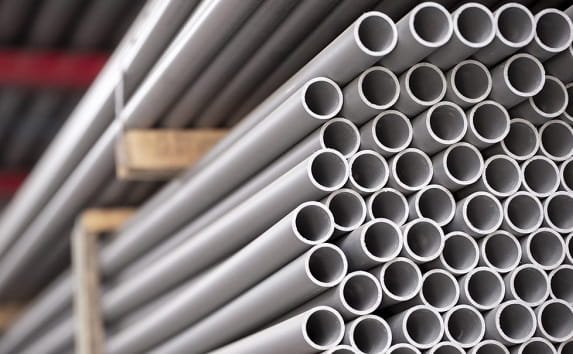
PVC pipes are lightweight, affordable, and easy to install. They are excellent for cold water supply and drainage (SWR pipes).
Best for: Drainage lines, rainwater harvesting, underground cold water supply, and non-potable uses.
Limitations: Not suitable for hot water as they soften above 60°C.
2. CPVC (Chlorinated Polyvinyl Chloride) Pipes
CPVC is the upgraded version of PVC with added chlorine, offering superior heat resistance (up to 93°C) and better pressure handling.
Best for: Hot and cold water supply lines, geysers, solar heaters, and distribution throughout the house.
Advantages in India: Excellent resistance to hard water scaling and corrosion, making it ideal for most regions.
3. GI (Galvanized Iron) Pipes
Traditional metal pipes still found in older homes.
Limitations: Prone to rust and scaling over time, especially with hard water. Heavy and difficult to install. Most experts recommend replacing them during renovations.
4. PEX (Cross-Linked Polyethylene) Pipes
Flexible, durable, and highly resistant to freezing and bursting.
Best for: Modern homes seeking flexibility and easy installation in tight spaces. Good for both hot and cold water.
Note: Less common in India but gaining popularity in premium projects.
5. Copper Pipes
Premium option with excellent durability and antimicrobial properties.
Best for: High-end homes or areas with very aggressive water chemistry.
Drawbacks: Expensive and requires skilled installation.
Key Factors to Consider When Choosing Pipes
1. Purpose of the Pipe
- Hot Water Lines: Always choose CPVC or PEX.
- Cold Water Supply: CPVC or good-quality PVC.
- Drainage and Soil Waste: PVC SWR pipes are standard and cost-effective.
- Rainwater and External Lines: PVC or HDPE pipes.
2. Water Quality and Local Climate
Hard water regions (North, West, and parts of South India) demand pipes with high scaling resistance like CPVC. Coastal areas with saline air benefit from non-corrosive plastic pipes. In colder northern regions, choose materials that resist freezing and bursting, such as CPVC or insulated PEX.
3. Pressure Rating
Check the PN rating (Pressure Nominal). For residential use, PN 6 to PN 16 is usually sufficient. Higher ratings are needed for high-rise buildings or areas with booster pumps.
4. Budget and Longevity
- PVC: Most economical but limited applications.
- CPVC: Moderate cost with excellent lifespan (50+ years).
- A hybrid system (CPVC for supply + PVC for drainage) offers the best value for most middle-class Indian homes.
5. Standards and Certifications
Always select pipes with ISI/BIS certification (IS 4985 for PVC, IS 15778 for CPVC). Reputed brands like Astral, Supreme, Ajay, Prince, Sudhakar, and FlowGuard ensure quality and provide better after-sales support.
6. Installation and Maintenance
Choose pipes that are easy to install and repair. CPVC and PVC use simple solvent cement joints. Factor in future modifications — flexible options like PEX make renovations easier.
6. Environmental and Health Aspects
Opt for lead-free, non-toxic pipes suitable for potable water. Modern plastic pipes have low environmental impact compared to older metal ones when recycled properly.
Step-by-Step Guide to Selection
- Assess Your Needs: List hot/cold lines, drainage, and special requirements (solar, RO, etc.).
- Consult Professionals: Work with an experienced plumber or architect familiar with local conditions.
- Compare Samples: Check wall thickness, uniformity, and branding.
- Plan Layout: Minimize joints and exposed pipes. Use proper supports and insulation.
- Budget Allocation: Allocate 8–12% of construction cost to plumbing, including pipes, fixtures, and waterproofing.
- Test Before Finalizing: Request pressure and leakage tests after installation.
Common Mistakes to Avoid
- Using PVC for hot water lines.
- Compromising on quality to save costs.
- Ignoring proper sloping and supports.
- Mixing incompatible materials without proper transition fittings.
- Skipping waterproofing and pressure testing.
Future-Proofing Your Plumbing
With changing lifestyles and water scarcity concerns, consider smart features like leak detectors and water-saving designs. Installing CPVC throughout allows easy upgrades later. Regular maintenance — annual inspections, descaling, and prompt repairs — extends the life of any pipe system.
Conclusion
Selecting the right pipes for home construction is not just about cost — it’s about ensuring safety, efficiency, and peace of mind for decades. For most Indian homes, a combination of CPVC for water supply and PVC for drainage offers the optimal balance of performance, durability, and affordability. By considering local climate, water quality, pressure requirements, and quality standards, you can build a robust plumbing system that withstands India’s challenging conditions.
Take time during the planning stage to consult experts and invest in certified materials. A well-chosen piping system will save you from frequent repairs, reduce water wastage, and contribute to a healthier, more sustainable home. Whether constructing a small 1BHK or a spacious villa, the right pipes form the invisible backbone of comfortable living.
FAQ
Q1: Which pipe is best for hot water in Indian homes?
CPVC pipes are the best and most recommended choice for hot water lines due to their high temperature resistance.
Q2: Is PVC pipe good for drinking water?
Yes, food-grade PVC pipes certified for potable water are safe. Always check ISI markings.
Q3: How long do CPVC pipes last?
Properly installed CPVC pipes can last 50 years or more with minimal maintenance.
Q4: Should I replace old GI pipes with new ones?
Yes. Replacing old galvanized iron pipes with CPVC during renovation prevents rust, scaling, and frequent leaks.
Q5: What is the price difference between PVC and CPVC pipes?
CPVC is generally 15–40% more expensive than PVC but offers better performance and longevity for supply lines.
Q6: Can I install pipes myself?
Minor extensions are possible, but major home construction plumbing should be done by licensed professionals to ensure proper joints and pressure testing.
Q7: Which brands are reliable for pipes in India?
Astral, Supreme, Ajay, Prince, Sudhakar, and Finolex are among the most trusted brands with strong after-sales networks.