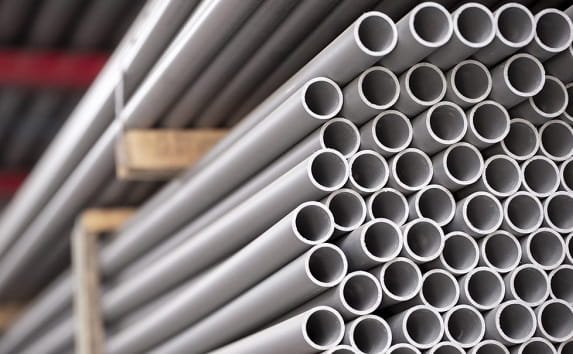
Old water pipes are like silent ticking bombs in many Indian homes. They function for years without obvious issues until one day you wake up to a major leak, low water pressure, discolored water, or worse — structural damage from hidden seepage. With India’s hard water, extreme seasonal temperature swings, and aging housing stock in cities like Delhi, Mumbai, Bangalore, Chennai, and Kolkata, replacing old pipes at the right time is crucial for safety, hygiene, and long-term savings.
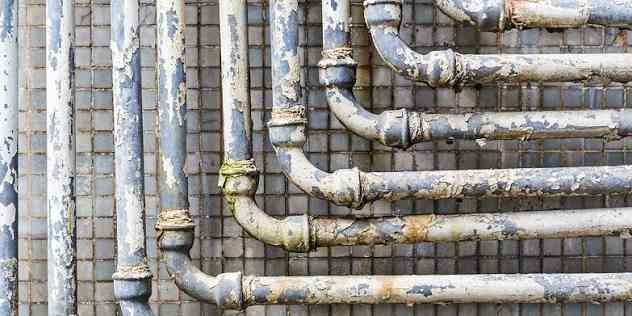
This article outlines clear indicators for when you should replace old water pipes, the risks of delay, and practical guidance for Indian households.
1. Age of the Pipes
Most plumbing experts recommend inspecting pipes after 15–20 years and seriously considering replacement after 25–30 years, depending on the material.
- GI (Galvanized Iron) Pipes: Common in homes built before 2000. These typically last 20–30 years but corrode internally due to hard water and rust, reducing flow and contaminating water. Replace them proactively.
- PVC Pipes: Better lifespan for drainage (30+ years), but older cold-water supply lines may become brittle.
- CPVC Pipes: Modern standard with 50+ years lifespan. If your home already has good-quality CPVC installed in the last 10–15 years, replacement may not be urgent.
If your home is over 25 years old and still has original piping, it’s time to plan a replacement during the next major renovation.
2. Frequent Leaks and Visible Damage
Recurring leaks, even after repeated repairs, signal that the entire system is failing. Look for:
- Damp patches on walls or ceilings.
- Water stains or mold growth near plumbing lines.
- Puddles under sinks or around toilets.
- Rusty or corroded visible pipes.
A single leak can often be patched, but multiple leaks in different areas usually mean the pipes have reached the end of their service life.
3. Low Water Pressure and Discolored Water
Gradual or sudden drop in pressure, especially in upper floors, often results from internal scaling, rust, or blockages. Yellow, brown, or cloudy water indicates pipe corrosion or sediment buildup. These issues not only reduce convenience but can damage geysers, washing machines, and RO filters.
4. Strange Noises and Slow Draining
Gurgling, banging, or whistling sounds in pipes suggest air pockets, partial blockages, or weakened pipe walls. Slow draining combined with bad odors points to deteriorating drainage pipes.
5. High Water Bills and Pump Overwork
Unexplained spikes in water bills or frequent running of booster/sump pumps indicate hidden leaks or inefficiency caused by old pipes. In joint families with high usage, this becomes more noticeable.
6. Water Quality Issues and Health Concerns
Rusty taste, metallic smell, or frequent gastrointestinal complaints among family members can stem from pipe contamination. Old pipes may harbor bacteria or release heavy metals into the water supply.
7. During Major Renovations or Home Purchase
The best time to replace pipes is when walls are being opened for painting, flooring, or kitchen/bathroom renovation. If you have recently bought an older property, get a professional plumbing inspection and factor pipe replacement into your budget.
Benefits of Timely Pipe Replacement
- Improved water pressure and flow.
- Reduced risk of sudden bursts, especially during monsoons or summer.
- Better water quality and safety for drinking and cooking.
- Lower maintenance costs over time.
- Increased property value.
- Peace of mind during festivals and family gatherings.
Choosing the Right Replacement Material
For most Indian homes, CPVC pipes are the best upgrade for hot and cold water supply lines due to their heat resistance, corrosion-free nature, and suitability for hard water. Use PVC SWR pipes for drainage. Consider PEX for flexible installations in complex layouts. Always choose ISI-marked pipes from reputed brands like Astral, Supreme, Ajay, or Prince.
Cost and Process
Replacing pipes in a typical 2–3 BHK apartment can cost ₹50,000 to ₹1.5 lakhs, depending on the extent and city. Independent houses may cost more. The process involves:
- Professional inspection with camera tools.
- Removing old pipes (minimizing wall damage where possible).
- Installing new lines with proper sloping and supports.
- Pressure testing and waterproofing.
Plan this work during the dry season to avoid monsoon complications.
Preventive Tips to Delay Replacement
While eventual replacement is inevitable for very old systems, you can extend pipe life by:
- Installing water softeners in hard water areas.
- Regular tank cleaning and descaling.
- Avoiding chemical drain cleaners.
- Annual plumbing audits.
- Proper insulation for exposed pipes.
Conclusion
Knowing when to replace old water pipes can save Indian homeowners from emergencies, health risks, and financial losses. If your home shows multiple warning signs — frequent leaks, low pressure, discolored water, or pipes older than 25 years — it’s time to act. Proactive replacement during renovations offers the best value and ensures your family enjoys reliable, clean water supply for decades.
Don’t wait for a crisis. Get a professional assessment today and plan ahead. A modern plumbing system using quality CPVC and PVC pipes is one of the smartest investments you can make in your home’s future comfort and safety.
FAQ
Q1: How do I know if my pipes are too old to repair?
If you have frequent leaks in different areas, low pressure, or discolored water, and the pipes are over 20–25 years old, replacement is usually more economical than repeated repairs.
Q2: Is it necessary to replace all pipes at once?
Not always. Prioritize supply lines (hot and cold water) first. Drainage pipes can sometimes be addressed separately, but a complete upgrade is ideal during major renovations.
Q3: What is the best pipe material for replacement in India?
CPVC is the most recommended for water supply lines due to its durability, heat resistance, and performance with hard water. PVC works well for drainage.
Q4: How much does pipe replacement cost in Indian cities?
For a 2–3 BHK home, expect ₹50,000–1.5 lakhs, including labor and materials. Costs are higher in metros and for independent houses.
Q5: Can I continue using old GI pipes?
It is not advisable long-term. GI pipes corrode and contaminate water. Replacing them with CPVC improves water quality and reduces maintenance.
Q6: When is the best time to replace pipes?
During home renovation, before monsoon, or when buying an old property. Avoid peak summer or monsoon months for minimal disruption.
Q7: Do new pipes improve water pressure?
Yes, significantly. New CPVC pipes have smoother interiors, resist scaling, and restore optimal flow compared to old corroded pipes.